Plantar Warts - General Information, Removal and Treatments, Frequently Asked Questions
By Isaac Tabari
What are Plantar Warts and their causes?
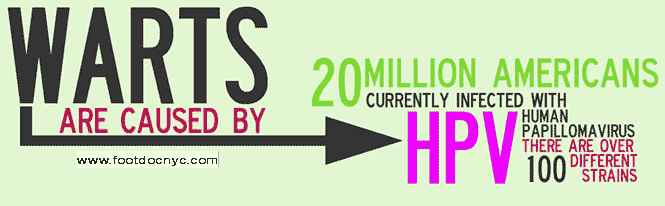
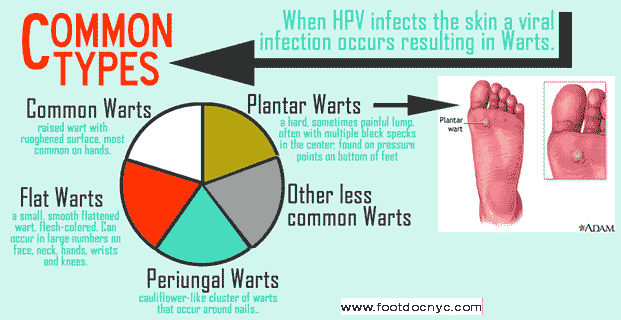
One of the most common infections in the world is caused by Human Papilloma Virus (HPV), commonly known as wart virus. It is a virus particle that infects the skin.
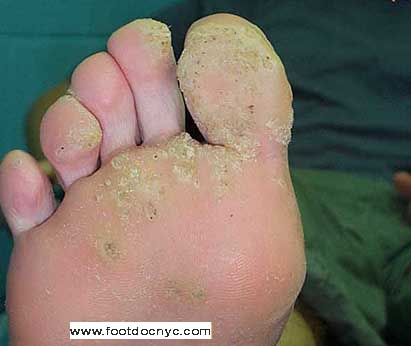
The warts appear as a single bump or in clusters some having a cauliflower structure. There are many strains or types of the HPV (wart) virus.
They can appear anywhere on the skin, but technically only those on the sole are properly called plantar warts. Children, especially teenagers, tend to be more susceptible to warts than adults; some people seem to be immune. See our Plantar Warts NYC Patients Handout.
The current prevalence of plantar warts in adults is unknown, but it is a fraction of the estimated 7%-10% of adults with all types of wart infections.
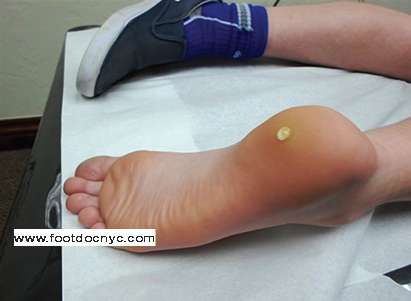
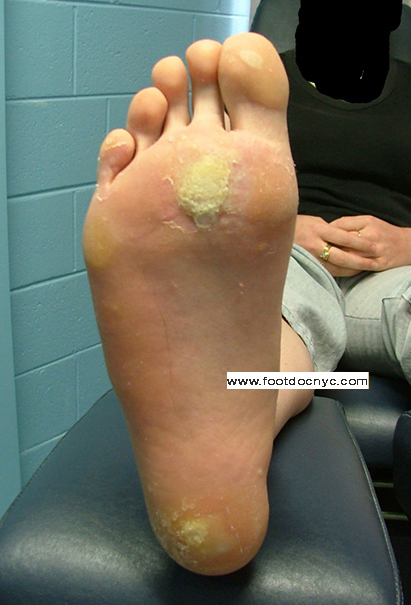
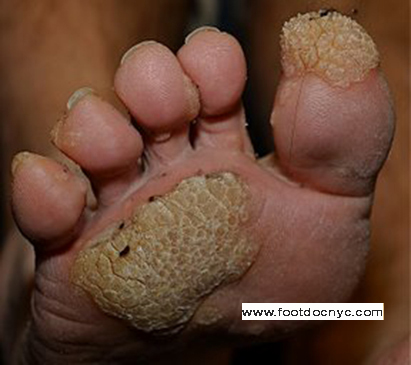
Sample Photos of Plantar Warts
Removal of Plantar Warts - Diagnosis & Doctor's Treatment Options
If your self-care approaches to plantar warts have not helped, make an appointment with NYC Podiatrist for plantar warts removal.
Freezing Medicine (Cryotherapy)
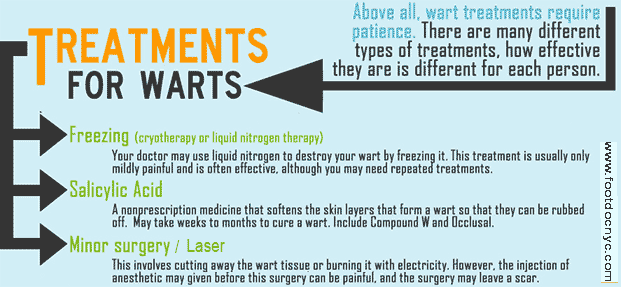
Freezing medicine (cryotherapy). Freezing therapy done at a foot doctor Dr. Isaac Tabari's office involves applying liquid nitrogen to your wart, either with a spray or a cotton swab. Your doctor may numb the area first because it can be painful when the liquid nitrogen is applied.
The chemical causes a blister to form around your wart, and the dead tissue sloughs off within a week or so. It may also stimulate your immune system to fight viral warts. You may return for a follow-up visit to the doctor's office for repeat plantar warts treatments every few weeks until the wart disappears.
Stronger peeling medicine (Salicylic Acid)
Prescription-strength wart medications with salicylic acid work by removing layers of a wart a little bit at a time. They may also stimulate your immune system's ability to fight the wart.
Your foot doctor may advise you to you apply the medicine regularly at home, followed by occasional visits to the podiatrist. Your doctor may pare away part of the wart or use freezing treatment (cryotherapy).
Plantar Warts Surgery Removal
If salicylic acid and freezing don't work, your doctor may recommend one or more of the following treatments for foot warts removal:
- Other acids - podiatrist shaves the surface of the wart and applies bichloracetic acid or trichloroacetic. You'll need to come back for a follow-up visit for repeat treatments. Side effects include burning and stinging. Between visits, you may be asked to apply salicylic acid to the wart.
- Immune therapy - podiatrist uses medications or solutions to stimulate your immune system to fight viral warts. Your doctor may inject your warts with a foreign substance (antigen) or apply a solution or cream to the warts.
- Minor surgery - foot doctor cuts away the wart or destroys it by using an electric needle (electrodesiccation and curettage). This procedure can be painful, so your doctor will numb your skin first. Because surgery can cause scarring, we do not commonlly use this method and prefer conservative non-surgical treatments described above.
- Laser wart treatment - pulsed-dye laser treatment burns closed (cauterizes) tiny blood vessels. The infected tissue dies, and the wart falls off. The evidence for the effectiveness of this method is limited, and it can cause pain and scarring.
Plantar Warts Doctor's Questions & Answers
Q: What causes plantar warts?
A. Warts are caused by direct contact with human papillomavirus (HPV), which is contagious. HPV might spread by person-to-person contact or through direct contact with an object used by a person with the virus. The virus that causes warts also can spread to other places on the body of the person with warts.
Q: What are the symptoms of warts?
A. Warts appear as small, grainy bumps that are rough to the touch. Most warts are flesh-colored, tan, pink, or white. Warts sometimes contain small black dots that are tiny, clotted blood vessels.
Q: Can foot warts be prevented?
A. If you already have foot warts, you can prevent them from spreading by not picking at them. Consider covering warts with bandages. In addition, keep your feet as dry as possible—warts are harder to control in moist environments. You should never brush, comb, or shave areas where warts are present, as the virus can be spread via these actions. You should wash your hands thoroughly after you touch any warts.
- Avoid walking barefoot, except on sandy beaches.
- Change shoes and socks daily.
- Keep your feet dry and clean.
- Check children's feet regularly.
- Avoid direct contact with warts—both from other persons or from other parts of your body.
- Do not ignore growths on, or changes in, your skin. Contact NYC Podiatry Center of Excellence to schedule an appointment.
Q: What kind of doctor removes / treats plantar warts?
A. If this is your first time with this ailment, you may be wondering what kind of doctor to see for plantar warts removal & treatment. The best doctor for Foot Warts is, of course, a Podiatrist. He specializes in foot-related ailments. Podiatrists treat warts every day, and at NYC Podiatry Center of Excellence we have performed over 10,000 plantar warts removal procedures. We consider ourselves the experts in wart removal!
***This material is only provided as helpful information and not as medical advice and you should consult with your foot doctor or another medical doctor for a professional diagnosis. ***
For more information on PLANTAR WART REMOVAL PROCEDURE and to make an appointment at NYC Podiatry Center, please call us at (212) 288-3137 or click below to make an appointment:

|