NY Podiatrist - Diabetic Foot & Wound Care
Diabetes is a serious disease that can develop from
lack of insulin production in the body or due to the inability of the body's
insulin to perform its normal everyday functions. Of the sixteen million
Americans with diabetes, 25% will develop foot problems related to the disease.
Diabetic foot conditions develop from a combination of
causes including poor circulation and neuropathy. Diabetic Neuropathy can cause
insensitivity or a loss of ability to feel pain, heat, and cold. Diabetics who
suffer from neuropathy can develop minor cuts, scrapes, blisters, or pressure
sores that they may not be aware of due to the insensitivity. If these minor
injuries are left untreated, complications may result and lead to ulceration and
possibly even amputation. Neuropathy can also cause deformities such as Bunions,
Hammer Toes, and Charcot Feet.
Diabetes can be dangerous to your feet —even a small
cut could have serious consequences. Diabetes may cause nerve damage that takes
away the feeling in your feet. Diabetes may also reduce blood flow to the feet,
making it harder to heal an injury or resist infection.
Because of these problems, you might not notice a
pebble in your shoe—so you could develop a blister, then a sore, then a stubborn
infection that might cause amputation of your foot or leg.
To avoid serious foot problems
that could result in losing a toe, foot, or leg, be sure to follow these
guidelines:
Check for cuts, blisters, redness, swelling, or
nail problems. Use a magnifying hand mirror to look at the bottom of your
feet. Call your doctor if you notice anything.
-
Wash your feet in lukewarm (not hot!)
water
Keep your feet clean by washing them daily. But
only use lukewarm water—the temperature you’d use on a newborn baby.
-
Be gentle when bathing your feet
Wash them using a soft washcloth or sponge. Dry by
blotting or patting—and make sure to carefully dry between the toes.
-
Moisturize your feet—but not between your
toes.
Use a moisturizer daily to keep dry skin from
itching or cracking. But DON’T moisturize between the toes—this could
encourage a fungal infection.
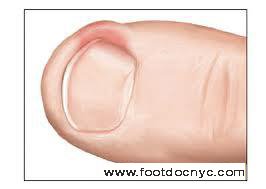
Also, file the edges. Don’t cut them too short,
since this could lead to ingrown toe nails.
-
Never trim corns or calluses
No “bathroom surgery”—let your doctor do the job.
Change them daily.
-
Avoid the wrong type of socks
Avoid tight elastic bands (they reduce
circulation). Don’t wear thick or bulky socks (they can fit poorly and
irritate the skin).
If your feet get cold at night, wear socks. NEVER
use a heating pad or hot water bottle.
-
Shake out your shoes and inspect the
inside before wearing
Remember, you may not feel a pebble—so always shake
out your shoes before putting them on.
-
Keep your feet warm and dry
Don’t get your feet wet in snow or rain. Wear warm
socks and shoes in winter.
Not even at home! You could step on something and
get a scratch or cut.
-
Take care of your diabetes
Keep your blood sugar levels under control.
Smoking restricts blood flow in your feet.
See your podiatric foot and ankle surgeon on a
regular basis for an examination to help prevent the foot complications of
diabetes.
Treatments and Prevention
Footwear and orthotics play an important role in
diabetic foot care. Diabetic footwear should provide the following:
- Firm heel counters for support and
stability.
- Rocker soles designed to reduce
pressure in the areas of the foot most susceptible to pain.
- High, wide toe box (space in toe
area).
- Removable insoles for fitting
flexibility and the option to insert orthotics if necessary.
***This material
is only provided as helpful information and
not as medical advice and you should consult
with your foot doctor or another medical
doctor for a professional diagnosis. ***
For more
information on athlete's foot treatments and
to make an appointment with the NY Diabetic
Foot Care - Wound Management Foot Doctor Surgeon, please
call our office today at (212)
288-3137 or
click here
to make an appointment.
Call us at 212-288-3137 to schedule your appointment